
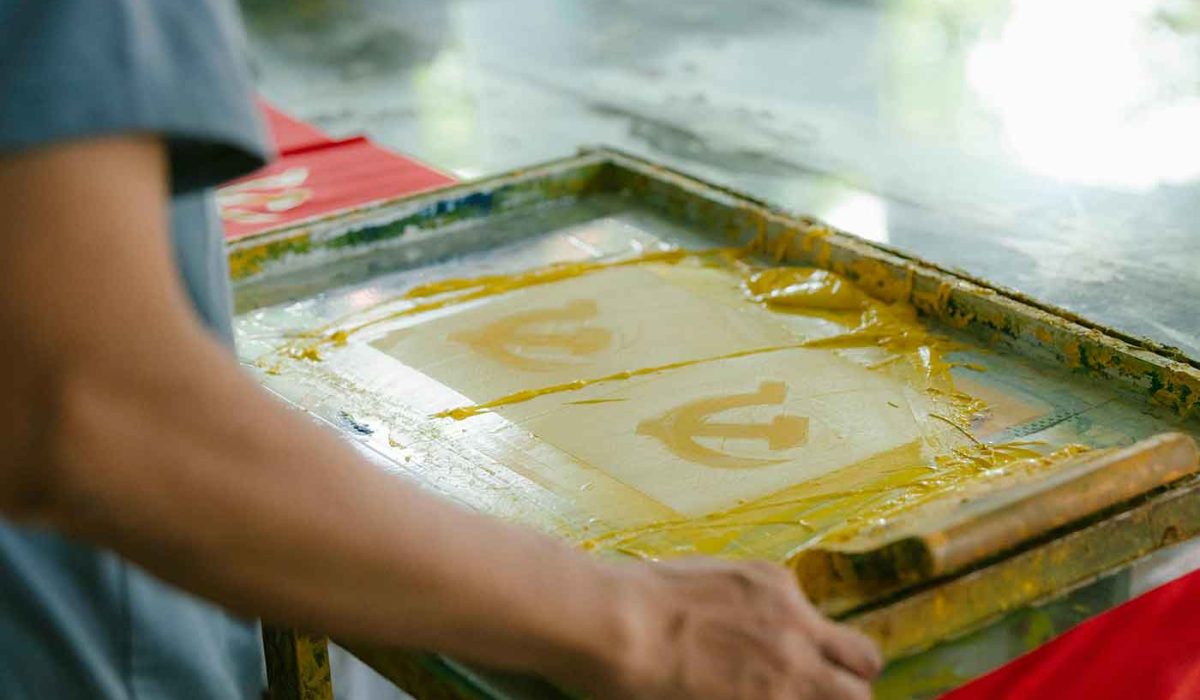
Silk screen printing, also known as screen printing, is one of the most popular and widely used printing techniques in the textile industry. Especially for clothing brands, it offers durability, vibrant colors, and cost efficiency for bulk production.
In this guide, you’ll learn how silk screen printing works, its advantages, disadvantages, and when to use it for your brand.
What is Silk Screen Printing?
Silk screen printing is a method where ink is pushed through a mesh screen onto fabric. Each color in the design requires a separate screen, making it ideal for simple designs with limited colors.
Originally, silk was used for the screen, which is why it’s called “silk” screen printing. Today, synthetic mesh materials are more common.
How Does Silk Screen Printing Work?
Advantages and Disadvantages of Silk Screen Printing
Silk screen printing remains one of the most reliable and professional printing techniques in the apparel industry. If you are building a clothing brand and planning bulk production, it is often the best choice in terms of quality and cost.
Advantages and Disadvantages of Silk Screen Printing
Silk Screen Printing
Quantities
Color Complexity
Cost per Unit
Durability
DTG Printing
Quantities
Color Complexity
Cost per Unit
Durability


