

What is Fleece Fabric?
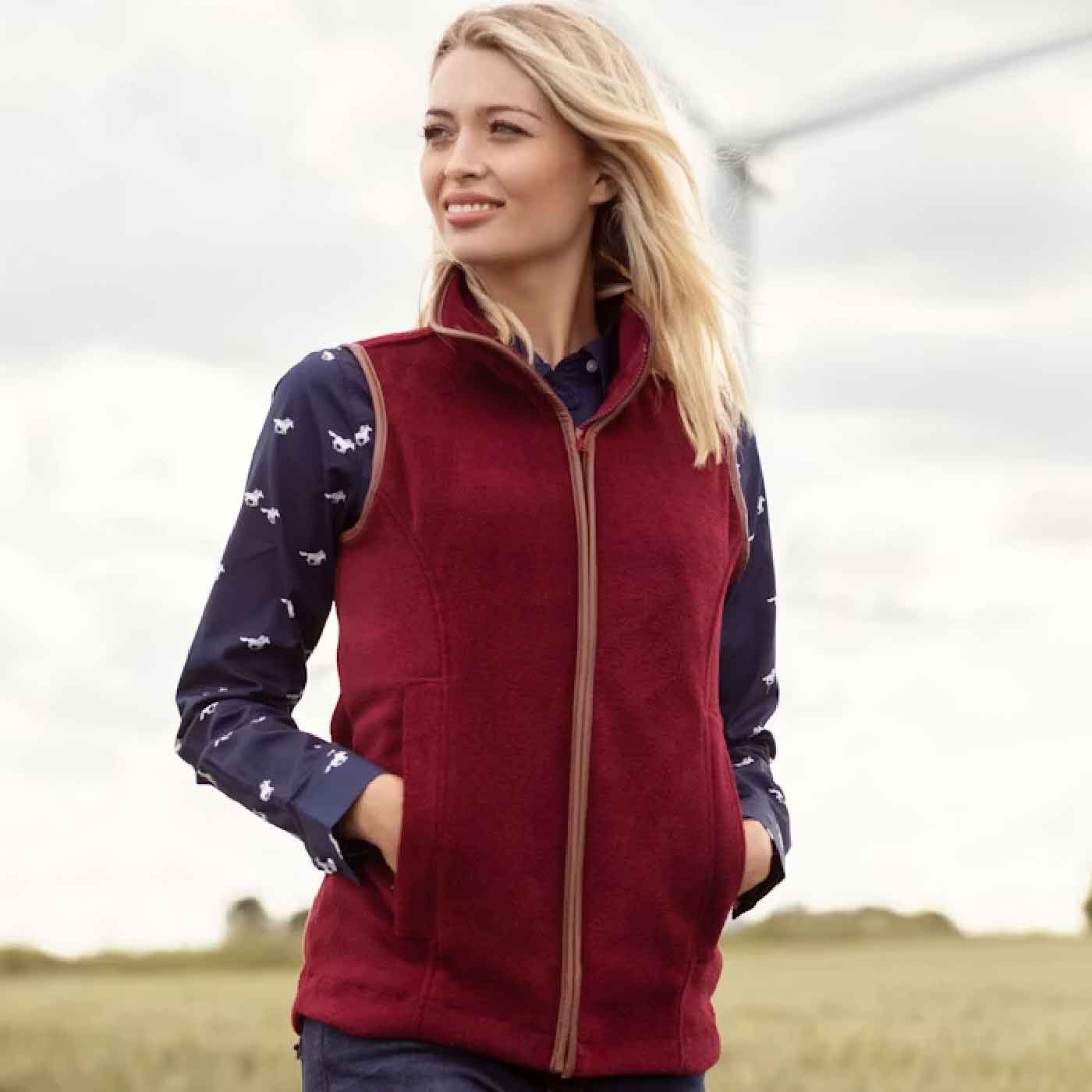
Fleece fabric is one of the most widely used textile materials in modern apparel manufacturing, especially in sportswear, casual wear, and winter clothing. It is known for its softness, warmth, lightweight structure, and excellent insulation properties.
Originally developed as an alternative to wool, fleece has become a global standard fabric for hoodies, sweatshirts, jackets, blankets, and activewear. Today, almost every fashion brand includes fleece-based products in their collections due to its comfort and versatility.
Understanding fleece fabric is essential for clothing brands, textile buyers, and manufacturers because it directly affects product quality, cost, and performance.
How is Fleece Fabric Made?
Fleece fabric is usually made from polyester fibers, although it can also include recycled polyester or blended materials.
The production process includes:
- Fiber extrusion
- Knitting the base fabric
- Brushing to create a soft pile surface
- Shearing for uniform texture
- Finishing treatments for durability
The brushing process is what gives fleece its signature soft and fluffy feel. This raised surface traps air, creating insulation that keeps the body warm.

Key Properties of Fleece Fabric
Fleece fabric has several important characteristics that make it popular in the textile industry:
1. Softness
Fleece is extremely soft to the touch due to its brushed surface.
2. Warmth
It traps air between fibers, making it an excellent insulator.
3. Lightweight
Despite being warm, fleece is very light compared to wool.
4. Breathability
It allows air circulation, preventing overheating.
5. Quick Drying
Polyester fleece dries much faster than natural fabrics.
6. Durability
It is resistant to wear and tear, making it ideal for active use.
Types of Fleece Fabric
There are several types of fleece used in garment production:
Polar Fleece
- The most common type, known for high warmth and softness.
Micro Fleece
- Lighter and thinner, ideal for layering garments.
Cotton Fleece
- Made with cotton blends, more breathable and natural feel.
Polyester Fleece
- The most durable and widely used in mass production.
Recycled Fleece
- Made from recycled plastic bottles (rPET), used in sustainable fashion.

Advantages of Fleece Fabric
Fleece is preferred by manufacturers for many reasons:
- Affordable production cost
- High warmth-to-weight ratio
- Easy to dye and process
- Low maintenance
- Suitable for mass production
Because of these advantages, fleece is widely used in hoodie and sweatshirt production.
Disadvantages of Fleece Fabric
Despite its benefits, fleece also has some limitations:
- Made mostly from synthetic fibers
- Can pill over time
- Less breathable than natural cotton in hot climates
- Not biodegradable (unless recycled versions are used)
Brands focusing on sustainability often prefer recycled fleece alternatives.
Common Uses of Fleece Fabric
Fleece is widely used in apparel manufacturing, especially for:
- Hoodies
- Sweatshirts
- Jackets
- Joggers
- Blankets
- Sportswear
- Outdoor clothing
Its insulation properties make it ideal for winter collections.
Fleece Fabric in Modern Fashion Industry
Fleece has evolved from purely functional clothing material to a fashion essential. Many streetwear brands and sportswear companies use fleece as a core fabric due to its comfort and aesthetic versatility.
Sustainable fleece made from recycled polyester is also gaining popularity as brands shift toward eco-friendly production.
FAQs
Is fleece fabric good for winter?
Yes, fleece is excellent for winter because it traps heat and provides insulation.
Is fleece better than cotton?
Fleece is warmer and lighter, while cotton is more breathable and natural.
Does fleece shrink?
High-quality polyester fleece generally does not shrink.
Is fleece fabric sustainable?
Traditional fleece is synthetic, but recycled fleece is a sustainable alternative.
What clothes are made from fleece?
Hoodies, sweatshirts, jackets, joggers, and blankets are commonly made from fleece.


