
Types of Printing in Textile: A Complete Guide to Modern Textile Printing Methods
Textile printing plays a crucial role in modern apparel manufacturing. From fashion brands and sportswear companies to promotional clothing businesses, printing techniques help transform plain fabrics into visually appealing products.
Today, there are numerous textile printing methods available, each offering unique advantages depending on the fabric type, design complexity, production quantity, and budget.
Understanding the different types of printing in textile manufacturing helps brands choose the most suitable method for their products while maintaining quality and controlling costs.
Why Textile Printing Is Important in Garment Manufacturing
Printing is one of the most effective ways to add branding, artwork, logos, and decorative elements to garments.
Textile printing allows manufacturers to:
- Create unique product designs
- Strengthen brand identity
- Customize garments
- Produce fashion collections
- Increase product value
Whether producing a simple logo t-shirt or a complex fashion piece, choosing the right printing technique significantly impacts the final result.
Screen Printing
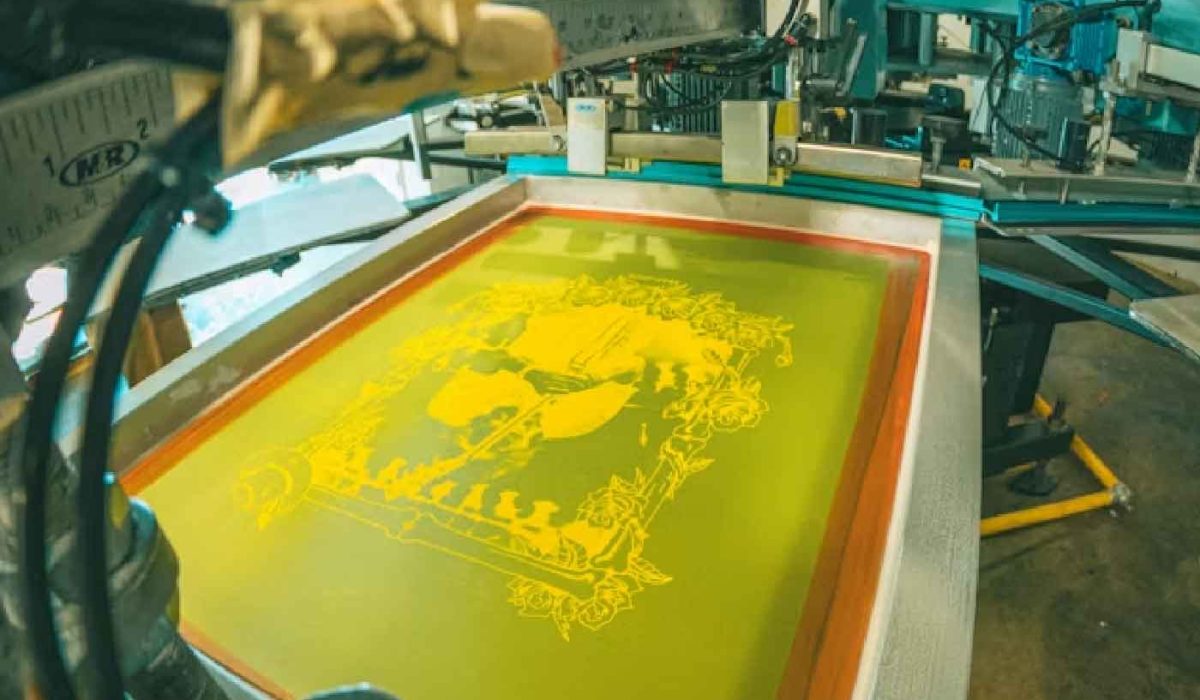
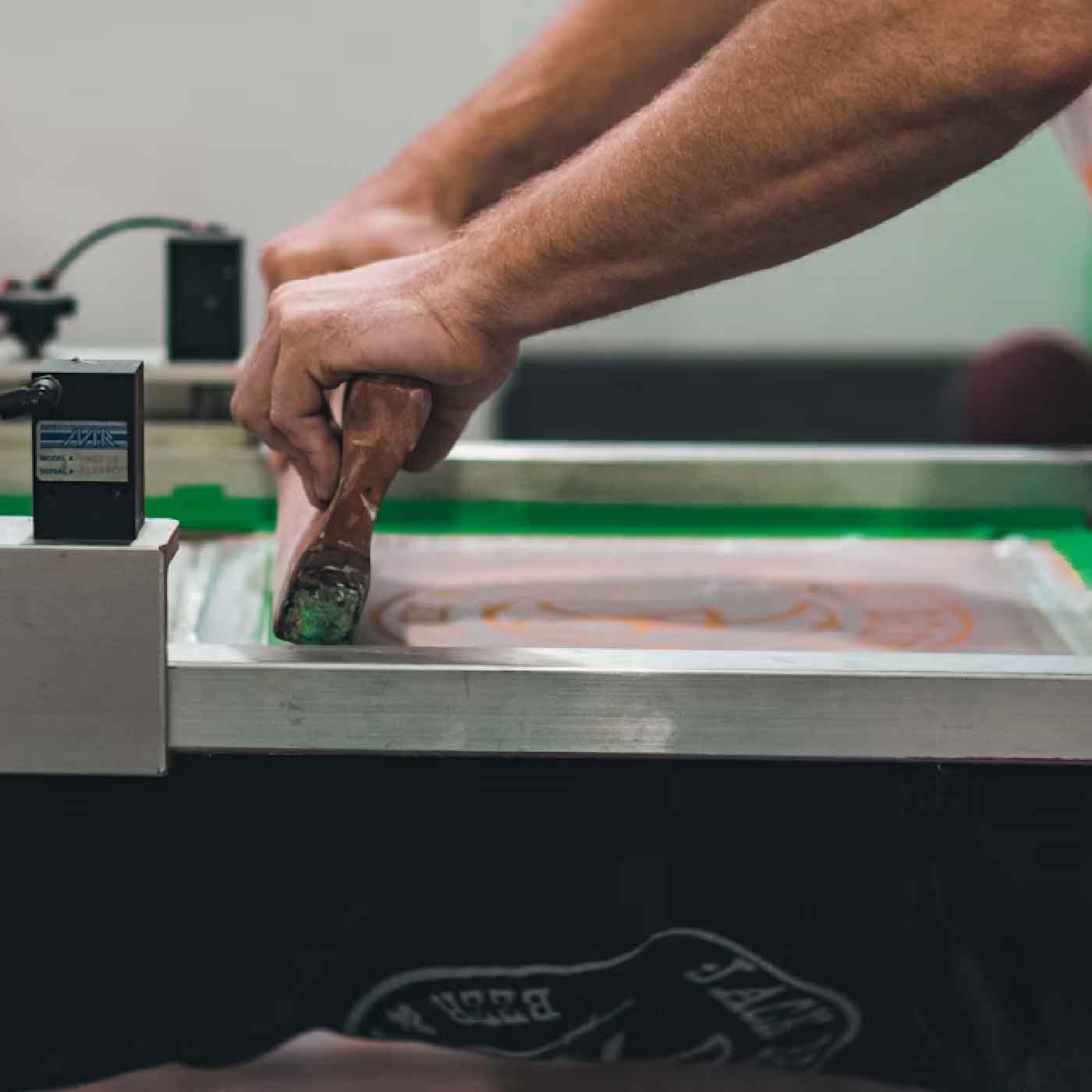
Screen printing is one of the oldest and most widely used textile printing methods.
The process involves pushing ink through a mesh screen onto fabric.
Advantages
- Excellent durability
- Vibrant colors
- Cost-effective for large quantities
- Suitable for cotton garments
Disadvantages
- Expensive setup for small orders
- Limited color flexibility
- Not ideal for highly detailed designs
Best Applications
- T-shirts
- Hoodies
- Promotional apparel
- Large production runs
Screen printing remains one of the most popular choices for fashion brands producing bulk orders.
Direct-to-Garment (DTG) Printing
Direct-to-Garment printing uses specialized printers to apply ink directly onto fabric.
This method works similarly to an inkjet printer but on textiles.
Advantages
- High-detail artwork
- Unlimited colors
- No screen setup required
- Perfect for small orders
Disadvantages
- Slower production speed
- Higher cost per unit
- Best suited for cotton fabrics
Best Applications
- Custom apparel
- Print-on-demand businesses
- Small clothing brands
DTG printing is increasingly popular among e-commerce apparel businesses.
3. Sublimation Printing
-
Sublimation printing uses heat to transfer dye directly into polyester fibers.
Instead of sitting on top of the fabric, the ink becomes part of the material itself.
Advantages
- Long-lasting prints
- No cracking or peeling
- Full-color designs
- Lightweight feel
Disadvantages
- Works mainly on polyester fabrics
- Not suitable for dark-colored garments
Best Applications
- Sportswear
- Activewear
- Team uniforms
- Performance apparel
Sublimation is one of the most widely used printing methods in athletic clothing production.
Heat Transfer Printing
-
Heat transfer printing applies designs using heat and pressure.
The artwork is first printed onto transfer paper and then transferred onto fabric.
Advantages
- Fast production
- Low setup cost
- Ideal for customization
Disadvantages
- Lower durability compared to screen printing
- Can crack after repeated washing
Best Applications
- Personalized apparel
- Event merchandise
- Small-batch production
Plastisol Printing
-
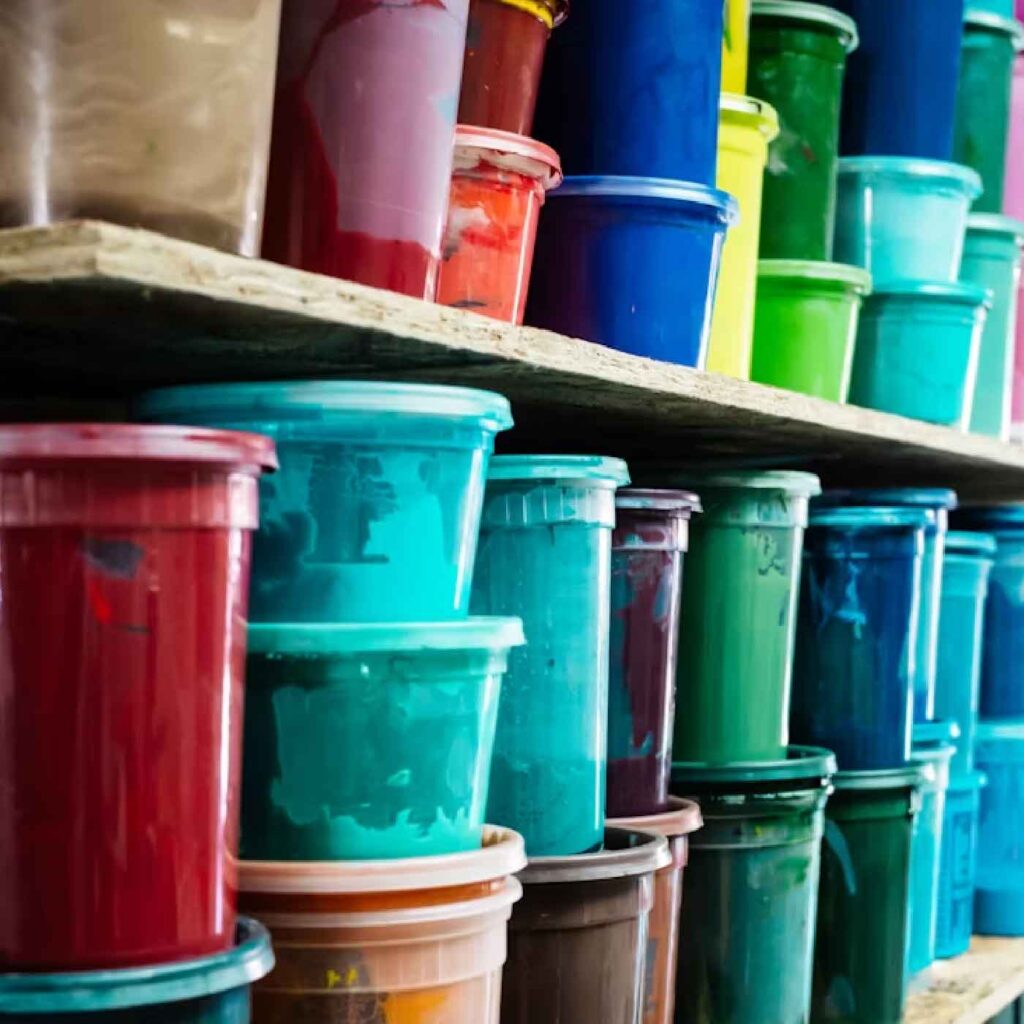
Plastisol printing is a specialized type of screen printing that uses PVC-based inks.
Advantages
- Bright colors
- Excellent opacity
- Long-lasting results
Disadvantages
- Less environmentally friendly
- Heavier print feel
Best Applications
- Streetwear
- Graphic t-shirts
- Fashion apparel
Plastisol remains one of the most commonly used inks in garment decoration.
Puff Printing
-
Puff printing creates a raised three-dimensional effect on garments.
The ink expands when exposed to heat, creating texture.
Advantages
- Unique appearance
- Premium look
- Popular in streetwear
Disadvantages
- Limited design applications
- Higher production costs
Best Applications
- Fashion brands
- Premium hoodies
- Streetwear collections
Puff printing has become increasingly popular among modern apparel brands.
Pigment Printing
-
Pigment printing uses pigment-based inks that bond to the fabric surface.
Advantages
- Suitable for many fabric types
- Lower water consumption
- Eco-friendly options available
Disadvantages
- Slightly lower durability than reactive printing
Best Applications
- Home textiles
- Fashion fabrics
- Sustainable production

How to Choose the Right Textile Printing Method
Choosing the best printing method depends on several factors:
Fabric Type
Cotton, polyester, and blended fabrics require different printing techniques.
Production Quantity
Screen printing is ideal for large orders, while DTG works better for smaller quantities.
Design Complexity
Detailed artwork often requires digital printing methods.
Budget
Setup costs vary significantly between printing technologies.
Durability Requirements
Sportswear and workwear generally require more durable printing solutions.
Textile Printing Trends in 2026
The textile industry continues to evolve with new printing technologies.
Current trends include:
- Sustainable printing methods
- Water-based inks
- Eco-friendly pigment printing
- Digital textile printing
- On-demand production
- Personalized apparel
As sustainability becomes increasingly important, many manufacturers are moving toward environmentally responsible printing solutions.
FAQs
What is the most common textile printing method?
Screen printing is the most common textile printing method due to its durability and cost efficiency for large production runs.
Which printing method is best for t-shirts?
Screen printing and DTG printing are the most popular options for t-shirts.
What is the most durable textile printing method?
Screen printing and sublimation printing are considered among the most durable methods.
Is sublimation better than screen printing?
It depends on the application. Sublimation is ideal for polyester sportswear, while screen printing works better for cotton garments.
What printing method is best for small clothing brands?
DTG printing is often the best option because it allows small production runs without expensive setup costs.


