Skip to content
  • Home
  • About
  • Start Your Brand
  • Textile Guide
  • Stories
You are here:
  1. Home
  2. Embroidery
  3. Embroidery in Textile Production: High Quality Detail for Clothing Brands
PrevPrevious
NextNext

April 28, 2026

Embroidery

Embroidery in Textile Production: High Quality Detail for Clothing Brands

embroidery-in-textile

Embroidery in Textile Production: What It Is, Types, and Why It Matters for Clothing Brands

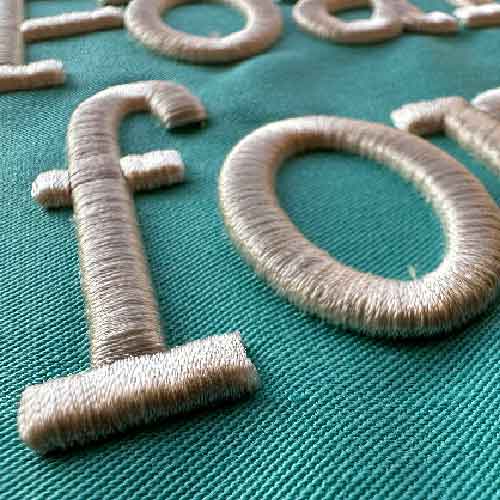
Embroidery is one of the most premium and durable decoration techniques in textile production. Unlike printing methods, embroidery uses threads to stitch designs directly onto fabric, creating a high-quality and long-lasting finish.

If you are building a clothing brand, understanding embroidery in textile production can help you choose the right method for branding, improve product quality, and increase perceived value.

What is Embroidery in Textile Production?

Embroidery is the process of decorating fabric using needle and thread to create logos, text, or patterns. It is widely used in custom apparel production, especially for branding elements such as logos on t-shirts, hoodies, caps, and uniforms.

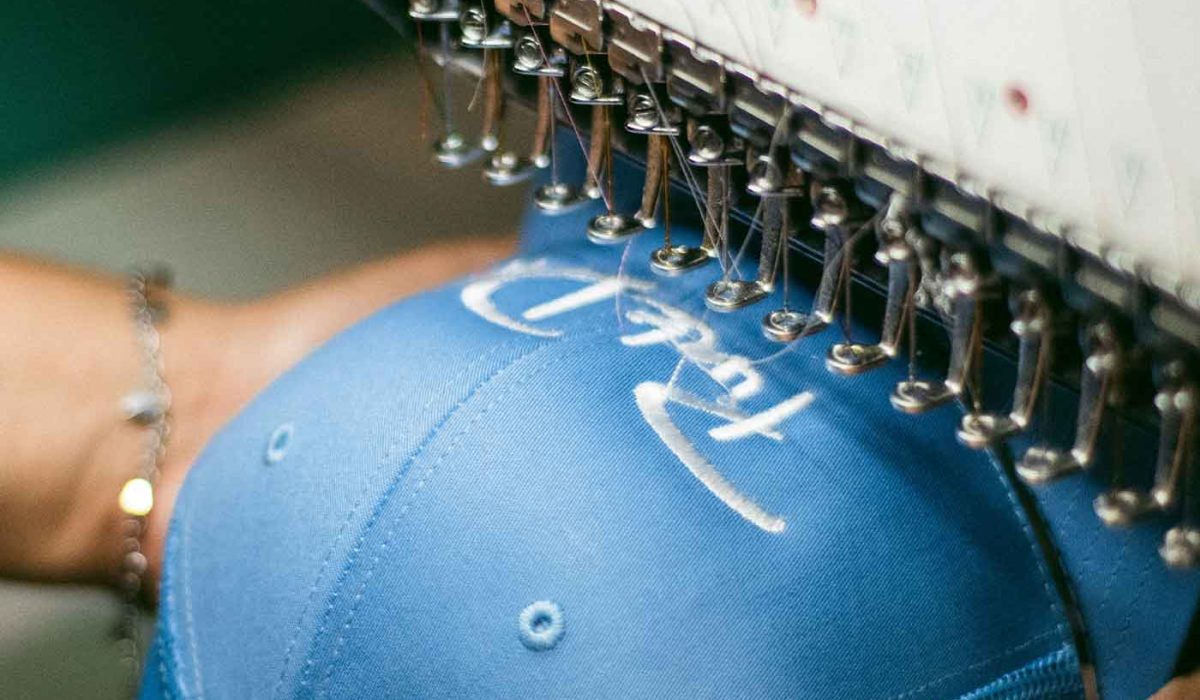
Today, most embroidery is done using computerized machines, ensuring precision and consistency in bulk production.

How Does Embroidery Work? (Step-by-Step Process)

Digitizing the Design

Your artwork is converted into a digital embroidery file. This step determines how the machine will stitch the design.

Machine Setup

The fabric is placed in a hoop, and the correct thread colors are selected.

Stitching the Design

The embroidery machine stitches the design onto the garment based on the digital file.

Finishing and Quality Control

Loose threads are trimmed, and the product is checked for defects.

Types of Embroidery in Apparel Production
flat-embroidery

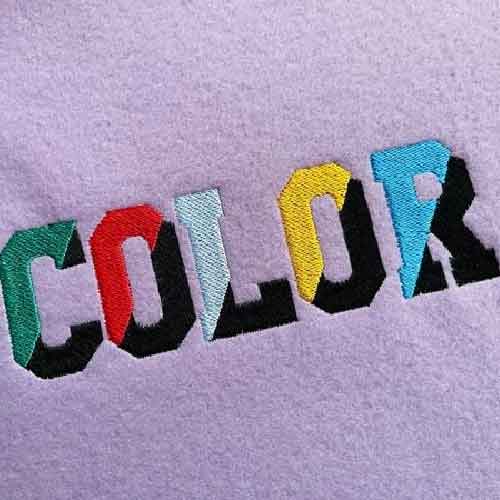
Flat Embroidery

The most common type, ideal for logos and clean designs.
3d-puff-embroidery

3D Puff Embroidery

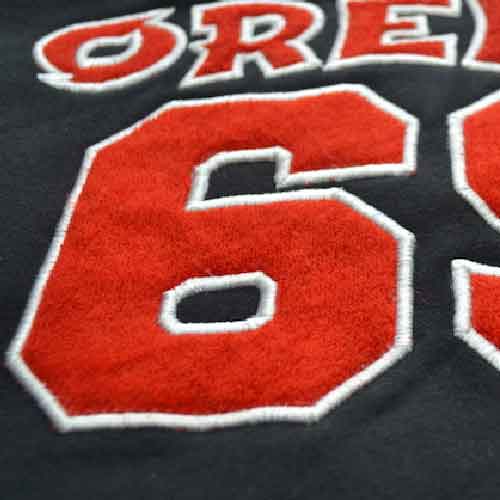
Creates a raised, three-dimensional effect, popular in streetwear and caps.
Applique-embroidery

Applique Embroidery

Uses fabric layers combined with stitching for a unique textured look.

Advantages and Disadvantages of Embroidery for Clothing Brands

Premium and Professional Look

Embroidery gives garments a high-end appearance, making your brand look more valuable.

Long-Lasting Durability

Stitched designs do not fade or crack like some printing methods.

Strong Brand Identity

Perfect for logos and consistent branding across collections.

Higher Production Cost

Embroidery is more expensive than printing, especially for large designs.

Limited Design Complexity

Highly detailed or gradient-heavy designs are not suitable.

Not Ideal for Large Graphics

Large embroidery areas can make garments heavy and uncomfortable.

Embroidery vs Printing: Which One is Better?

Embroidery

Appearance

Durability

Very High

Cost per Unit

High

Printing

Appearance

Durability

Medium-High

Cost per Unit

Low
Instagram Youtube

Related articles...

silk-printing-
Types of Printing in Textile
June 13, 2026
what-is-fleeced-fabric
What is Fleece Fabric? Properties, Types, Uses & Complete Guide
June 5, 2026
Fabric production process
Garment Production Process Explained
June 3, 2026
knit-vs-woven-fabric
Knit vs Woven Fabric: Understanding the Main Differences in Textile Production
May 16, 2026
More articles
Textile Guide
Textile Stories

Contact

Reach us to get techpack for your clothing brand !
Youtube Instagram
© Copyright 2024 Texploria. All rights reserved.
Privacy policy
Go to Top

Powered by
►
Necessary cookies enable essential site features like secure log-ins and consent preference adjustments. They do not store personal data.
None
►
Functional cookies support features like content sharing on social media, collecting feedback, and enabling third-party tools.
None
►
Analytical cookies track visitor interactions, providing insights on metrics like visitor count, bounce rate, and traffic sources.
None
►
Advertisement cookies deliver personalized ads based on your previous visits and analyze the effectiveness of ad campaigns.
None
►
Unclassified cookies are cookies that we are in the process of classifying, together with the providers of individual cookies.
None
Powered by