
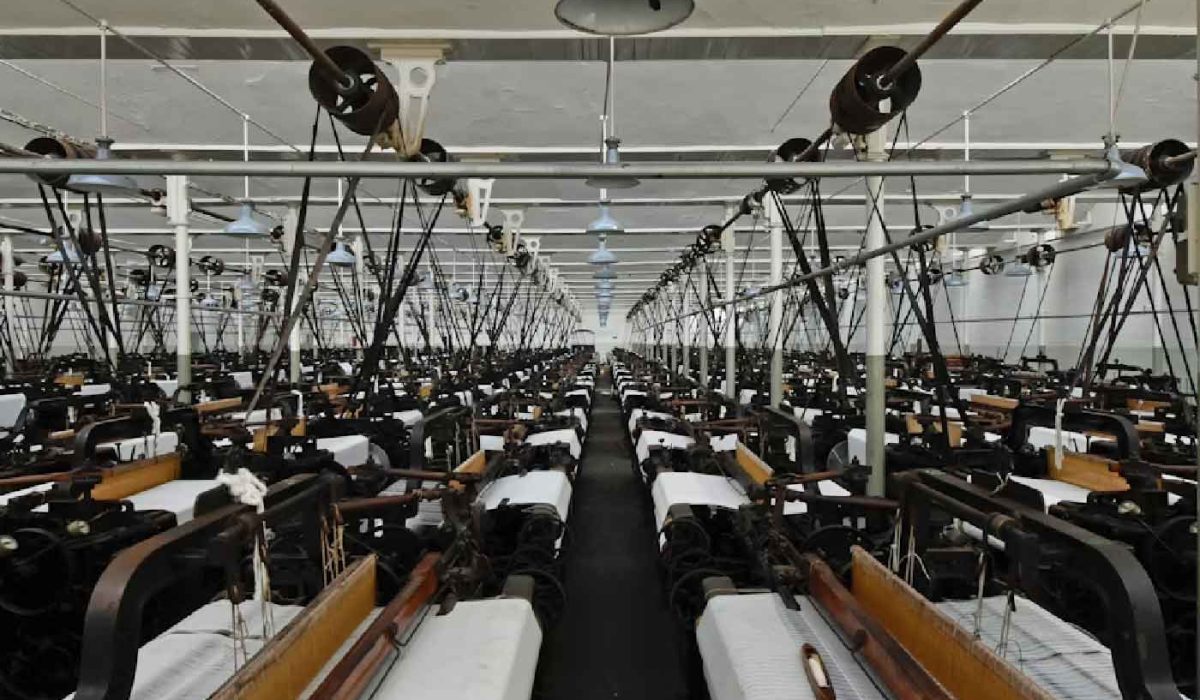
Inside the Garment Production Process: How Clothing Is Manufactured Step by Step
The garment production process is one of the most structured and important systems in the global fashion and textile industry. Every single piece of clothing—from basic t-shirts to high-end fashion items—goes through a carefully controlled manufacturing journey before it reaches the customer.
This process is not just about sewing fabric together. It is a combination of design, engineering, material science, production planning, quality control, and logistics.
Understanding how this system works is extremely important for fashion brands, startups, and entrepreneurs who want to build a clothing brand or work with manufacturers.
In this guide, we will break down the entire garment production process in a detailed and practical way.
What Is the Garment Production Process?
The garment production process refers to all the stages involved in converting a fashion idea or design into a finished, wearable clothing product.
It includes:
- Design development
- Fabric sourcing
- Pattern making
- Sampling
- Fabric inspection
- Cutting
- Printing & embroidery
- Sewing
- Quality control
- Washing & finishing
- Packaging
- Shipment
Each of these steps plays a critical role in ensuring that the final garment meets the required standards in terms of quality, fit, durability, and appearance.
If even one stage is done incorrectly, it can affect the entire production order.
Design and Product Development Stage
The garment production process begins with design.
At this stage, fashion designers and brands transform ideas into technical instructions that factories can understand.
This includes:
- Sketching the garment
- Defining style and silhouette
- Choosing color palettes
- Selecting target audience
- Determining functionality
One of the most important outputs of this stage is the tech pack.
A tech pack is a technical document that includes:
- Measurements and size charts
- Stitching details
- Fabric suggestions
- Label instructions
- Print placement
- Construction details
Without a proper tech pack, manufacturers cannot produce accurate garments, and miscommunication becomes very likely.
Fabric Sourcing and Material Selection
Fabric is one of the most important elements in garment production.
The same design can look completely different depending on the fabric used.
Manufacturers evaluate fabric based on:
- Fiber type (cotton, polyester, viscose, etc.)
- Fabric weight (GSM)
- Stretchability
- Shrinkage behavior
- Color fastness
- Texture and hand feel
- Sustainability standards
For example:
- A hoodie requires thick brushed fleece
- A summer t-shirt requires lightweight breathable cotton
- Sportswear requires stretchable polyester blends
Today, sustainability also plays a big role. Many brands prefer organic or recycled fabrics to meet eco-friendly production standards
Pattern Making Process
Pattern making is the technical foundation of garment construction.
A pattern is a blueprint that defines:
- Shape of each garment piece
- Exact measurements
- Seam allowances
- Construction structure
Even a small error in pattern making can lead to serious fitting problems.
Modern factories use CAD systems to create digital patterns, which improves accuracy and reduces material waste.
Pattern making directly affects:
- Fit quality
- Production efficiency
- Fabric consumption
Sampling Stage (Prototype Development)
Before bulk production starts, a sample garment is produced.
This is one of the most critical steps in the entire process.
Sampling helps brands evaluate:
- Fit and sizing
- Fabric behavior after sewing
- Stitch quality
- Print and embroidery accuracy
- Overall design execution
Most garments go through multiple sample rounds:
- First sample (fit sample)
- Second sample (corrected version)
- Final approved sample (production sample)
Skipping or rushing this stage often leads to expensive production mistakes.

Fabric Inspection and Quality Testing
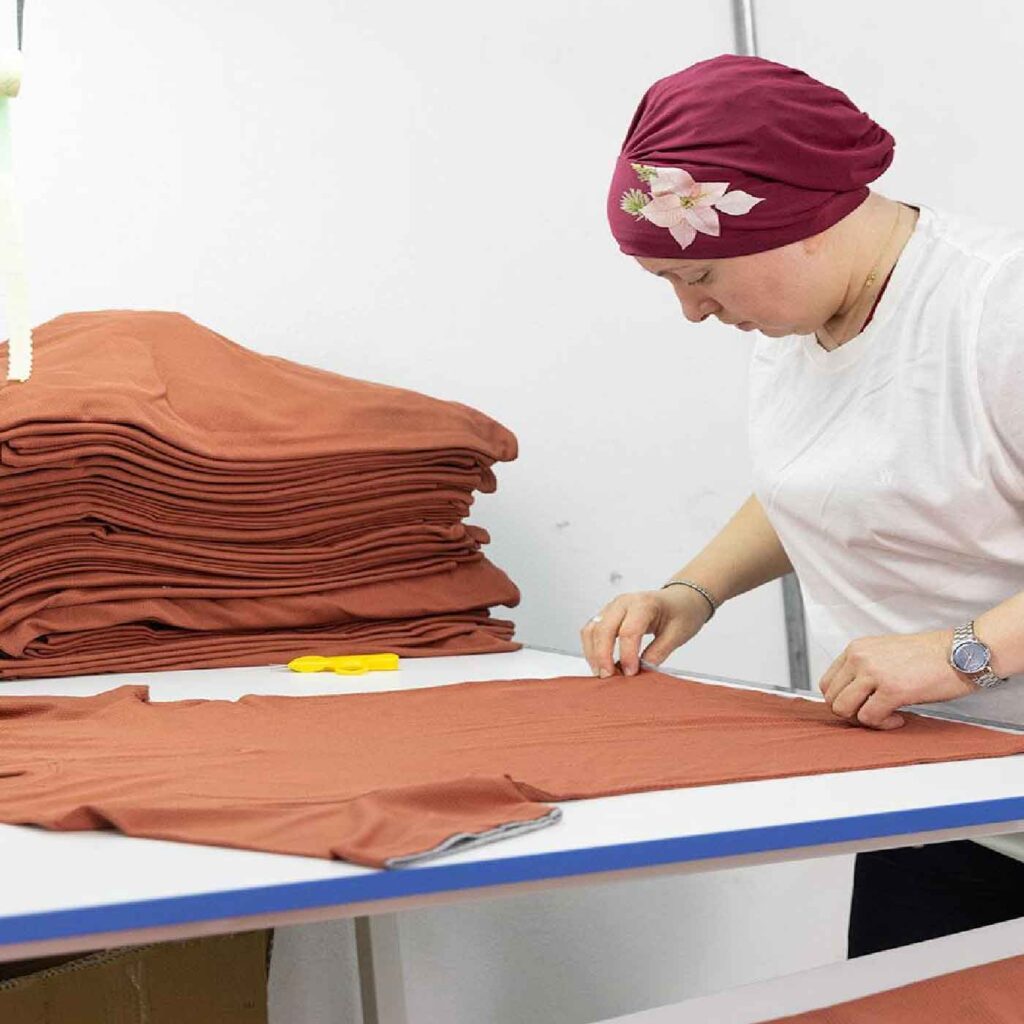
Before cutting begins, fabric is carefully inspected.
Factories check for:
- Color inconsistencies
- Fabric holes
- Stains or dirt
- Yarn defects
- Weaving errors
In addition, laboratory tests may include:
- Shrinkage test
- Pilling resistance test
- Color fastness test
- Tensile strength test
This ensures only high-quality fabric enters production.
Fabric Cutting Process
Cutting is where fabric starts transforming into garment parts.
Fabric layers are spread on cutting tables and cut according to pattern markers.
Cutting methods include:
- Manual cutting
- Straight knife cutting
- Band knife cutting
- Automated CNC cutting
Factories aim to:
- Reduce fabric waste
- Maintain cutting accuracy
- Ensure size consistency
Cut pieces are then grouped and sent to sewing lines.
Printing, Embroidery & Decoration
This stage adds branding and visual identity to garments.
Common techniques:
Screen Printing
Best for large production runs with simple designs.
Digital Printing
Used for complex, colorful artwork.
Embroidery
Provides a premium and durable finish.
Heat Transfer
Common for logos and sportswear branding.
Each method requires precision to ensure consistency across all garments.
Sewing and Garment Assembly
This is the heart of the production process.
Cut pieces are stitched together using industrial sewing machines.
A production line includes:
- Shoulder joining
- Sleeve attachment
- Side seams
- Collar construction
- Hem finishing
- Label insertion
Each worker focuses on a specific operation, which increases efficiency and consistency.
Quality Control During Production
Quality control is not a final step—it happens throughout production.
Inspectors check:
- Stitch consistency
- Measurement accuracy
- Defects in fabric or sewing
- Construction errors
This reduces production waste and ensures uniform quality.
FAQ
What are the main stages of garment production?
Design, fabric sourcing, pattern making, sampling, cutting, sewing, quality control, finishing, and packaging.
Why is sampling important in clothing production?
It helps detect design, fit, and production errors before mass production.
What is the role of fabric inspection?
It ensures fabric quality before cutting and prevents production defects.
How long does garment production take?
It usually takes 2–8 weeks depending on complexity and order size.
What is the most important stage?
Quality control is critical to ensure consistent product standards.


