
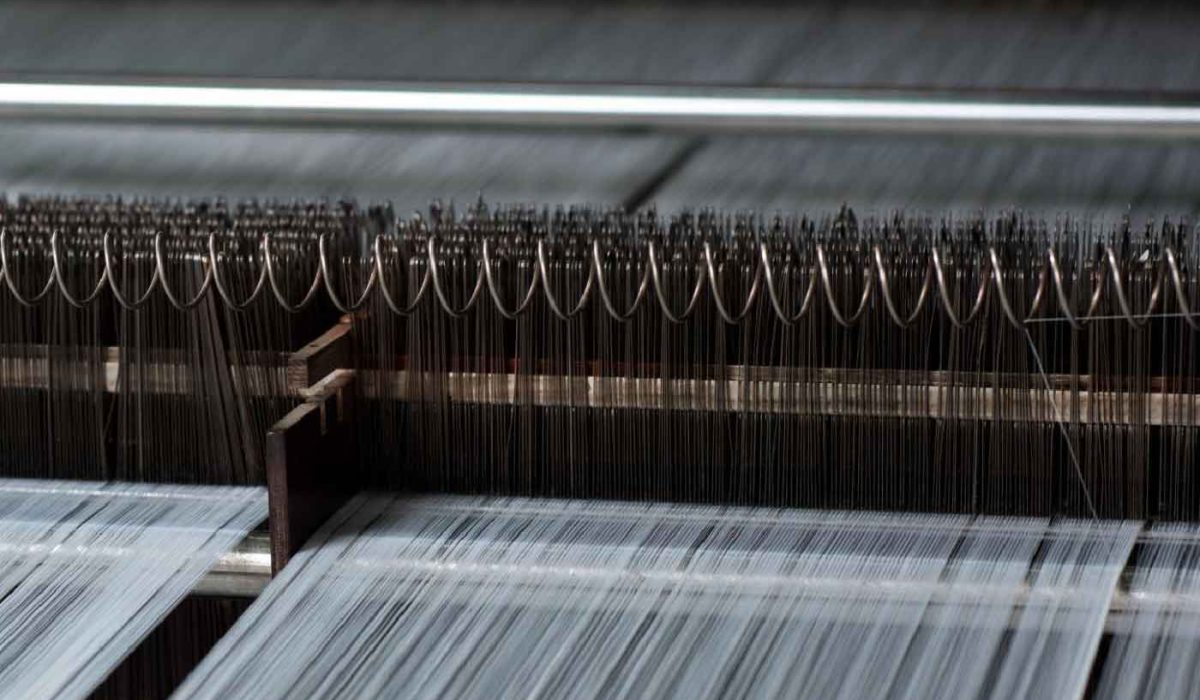
Difference Between Knit and Woven Fabric
Many new clothing brands focus only on fabric color or weight when developing products.
But experienced manufacturers pay attention to something much more important first:
the fabric structure.
Before a garment is even designed, manufacturers decide whether the product should use knit fabric or woven fabric.
That single decision changes:
- the fit,
- flexibility,
- comfort,
- production method,
- and even the final identity of the garment.
Understanding the difference between knit and woven fabric is one of the most important basics in textile manufacturing.
How Knit Fabric Is Made
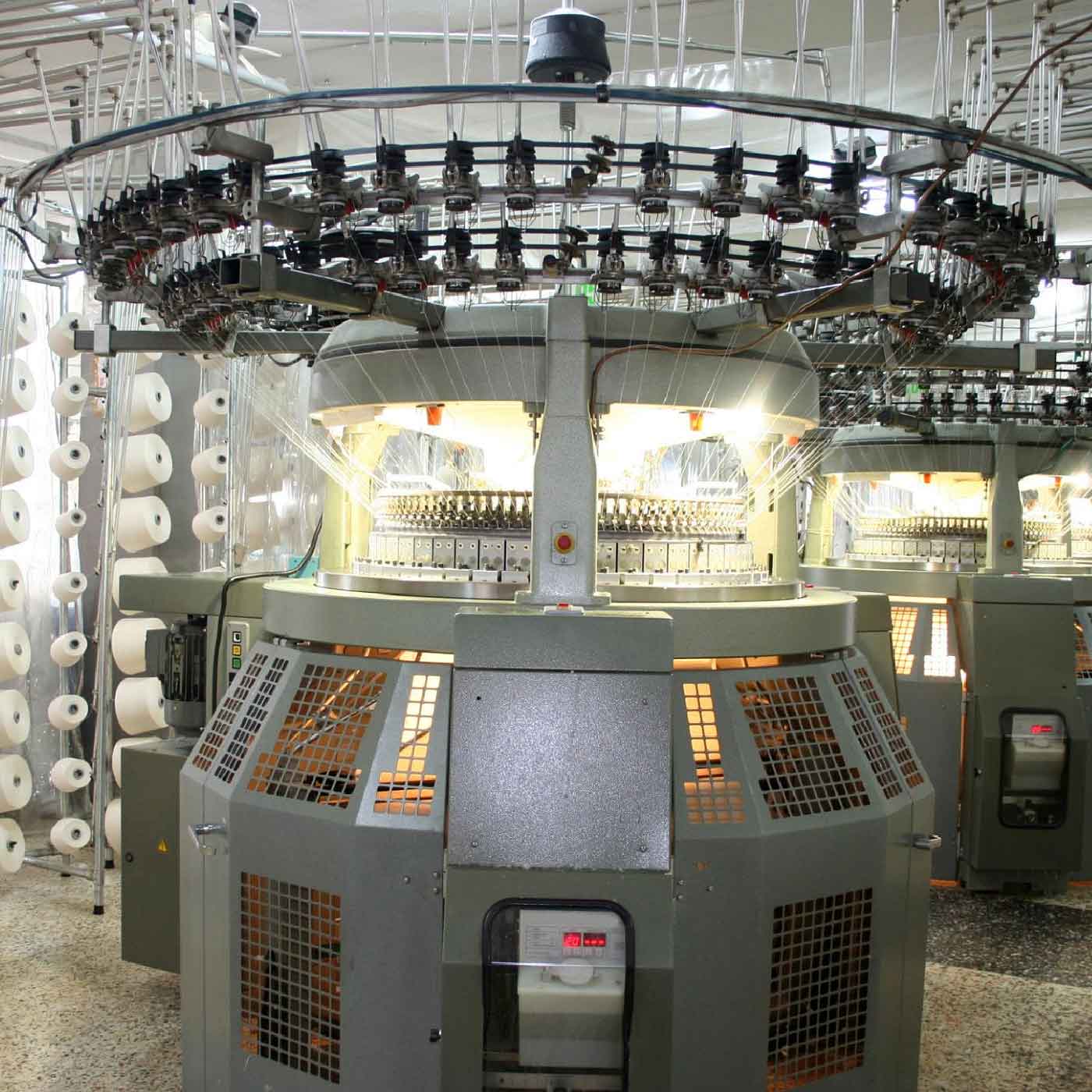
Knit fabrics are created by interlocking loops of yarn together.
This structure makes the fabric naturally flexible and stretchable.
Most casual garments use knitted fabrics because they provide comfort and freedom of movement.
Common examples include:
- t-shirts,
- hoodies,
- sweatpants,
- leggings,
- and underwear.
Single jersey, rib, interlock, and fleece are all examples of knitted fabrics.
Because knit fabrics stretch easily, they are ideal for modern streetwear and relaxed silhouettes.

How Woven Fabric Is Made
Woven fabrics are produced by crossing yarns over and under each other at right angles.
This creates a tighter and more structured fabric surface.
Unlike knitted fabrics, woven materials usually have less natural stretch.
Woven fabrics are commonly used for:
- shirts,
- trousers,
- jackets,
- denim,
- and formal garments.
Poplin, twill, canvas, and denim are popular woven fabric types.
Because of their structure, woven fabrics generally hold shape better than knits.
The Main Difference Between Knit and Woven Fabric
The biggest difference is flexibility.
Knit fabrics stretch naturally because of their loop structure.
Woven fabrics are more rigid because of their crossing yarn construction.
This affects almost every stage of garment production.
Knit Fabrics
- softer feel,
- more flexible,
- wrinkle less,
- more comfortable for casual wear,
- better for oversized clothing.
Woven Fabrics
- more structured,
- stronger shape retention,
- cleaner appearance,
- better for tailored garments,
- more durable in some applications.
Choosing the wrong fabric structure can completely change how a garment fits and performs.
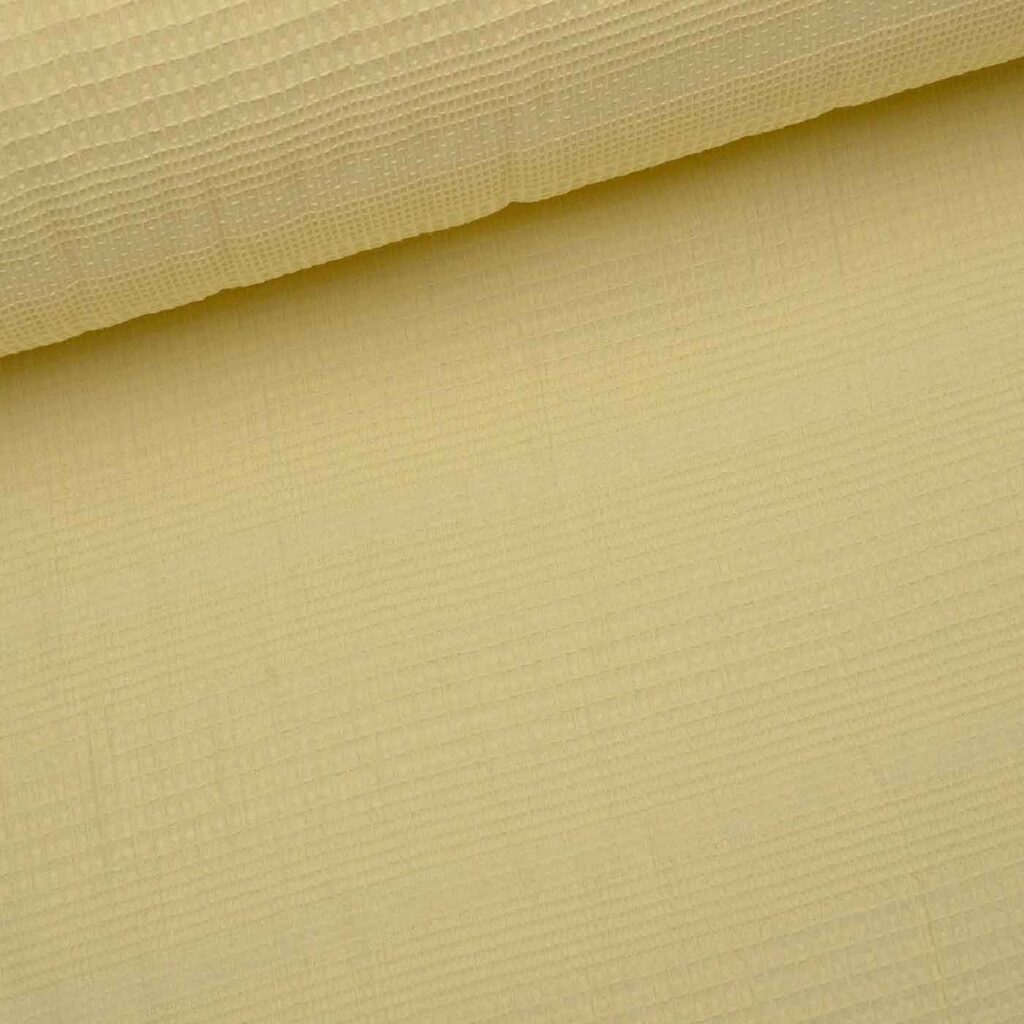
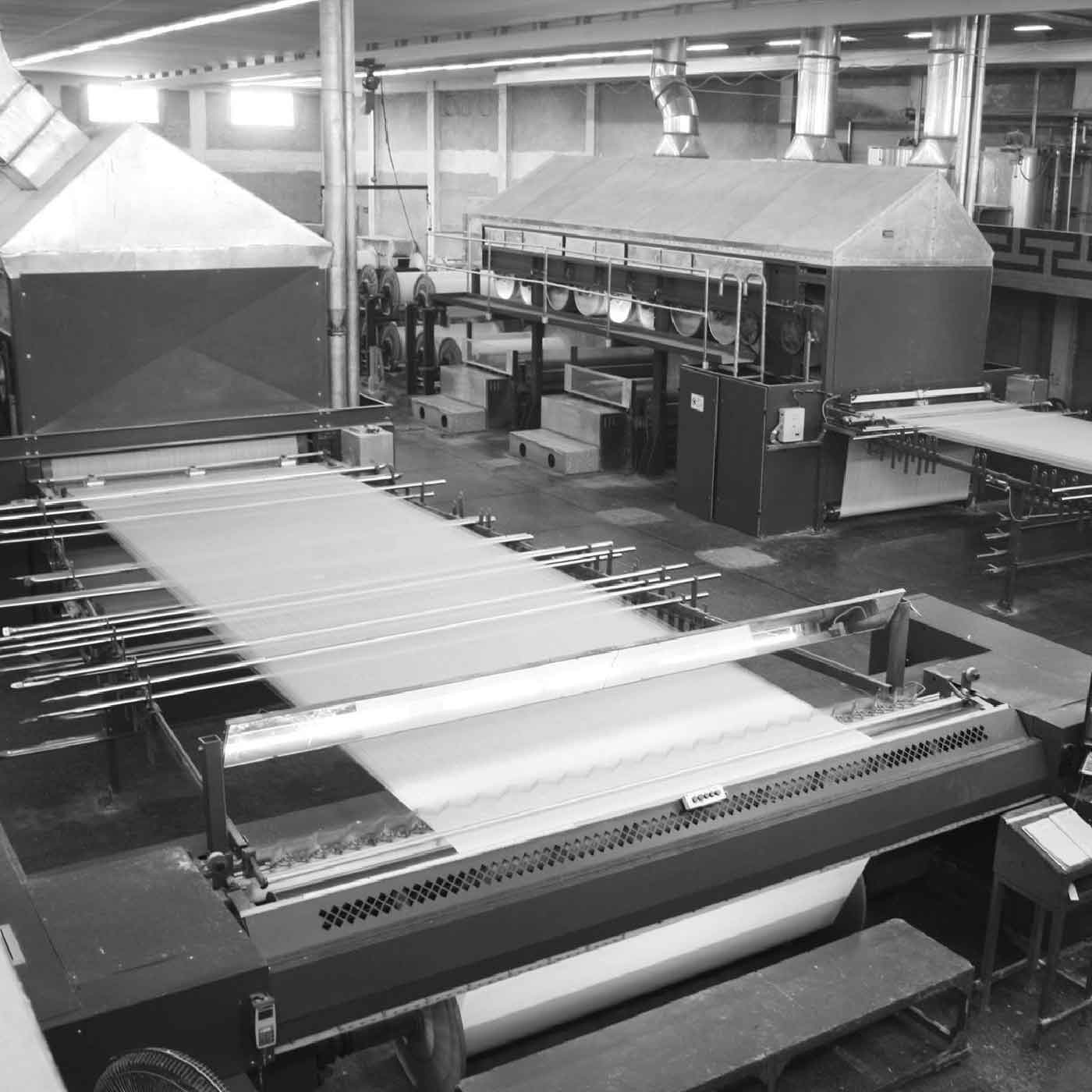
Why Clothing Brands Must Understand Fabric Structure
Many production problems happen because brands choose fabrics based only on appearance.
A fabric may look premium but behave incorrectly during sewing or washing.
For example:
- a woven fabric may feel too stiff for oversized streetwear,
- while a knitted fabric may not hold the sharp structure needed for tailored garments.
Professional manufacturers always match the fabric structure to the product category.
Fabric selection affects:
- fit,
- drape,
- sewing difficulty,
- shrinkage,
- printing quality,
- and overall garment feel.
Which Fabric Type Is Better for Printing?
Both fabric types can be printed, but the results differ.
Knitted fabrics are commonly used for:
- screen printing,
- DTG printing,
- puff print,
- and streetwear graphics.
Woven fabrics are often preferred for:
- all-over prints,
- workwear,
- structured fashion garments,
- and detailed patterns.
The fabric surface directly affects how the print looks and feels.
This is why manufacturers test artwork on fabric samples before bulk production starts.
Why Knit Fabrics Dominate Modern Streetwear
Modern fashion trends heavily favor comfort and oversized silhouettes.
Because of this, knitted fabrics dominate today’s streetwear market.
Heavyweight jersey, fleece, and French terry fabrics are now widely used by:
- oversized t-shirt brands,
- hoodie manufacturers,
- and premium casualwear labels.
Their flexibility creates a softer and more relaxed fit that customers prefer for everyday wear.
Final Thoughts
Understanding the difference between knit and woven fabric is essential for every clothing brand.
The fabric structure affects far more than appearance.
It changes how garments fit, stretch, move, wash, and perform over time.
Choosing the right fabric helps brands:
- create better products,
- improve comfort,
- reduce production mistakes,
- and build stronger collections.
At Texploria, we share practical textile knowledge and real garment manufacturing insights for fashion brands, designers, and modern clothing manufacturers.


