
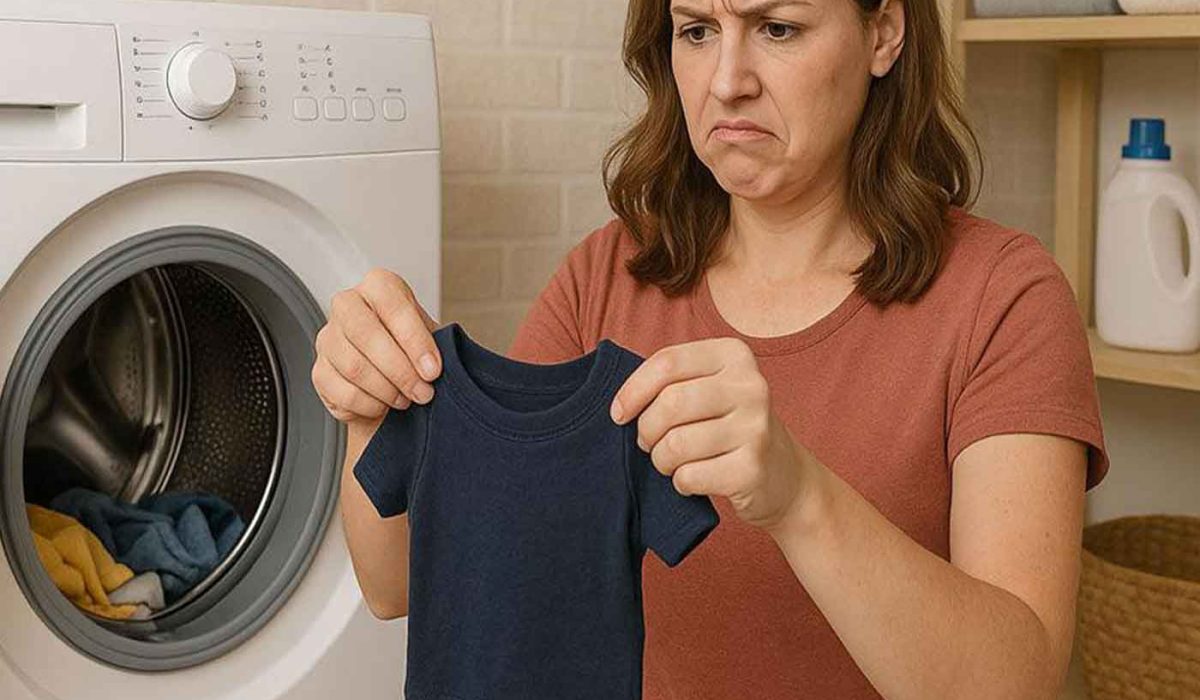
Fabric Shrinkage Explained: Why Garments Shrink After Washing
Every clothing brand experiences it at some point.
A t-shirt fits perfectly during sampling.
The fabric feels soft, the measurements look correct, and the production moves forward.
Then the first wash happens.
Suddenly:
- the body becomes shorter,
- sleeves twist,
- the collar tightens,
- and the fit completely changes.
This problem is called fabric shrinkage — one of the most important quality issues in textile manufacturing.
For fashion brands, shrinkage is not just a technical detail. It directly affects customer satisfaction, product returns, and brand reputation.
Why Fabric Shrinkage Happens During Production
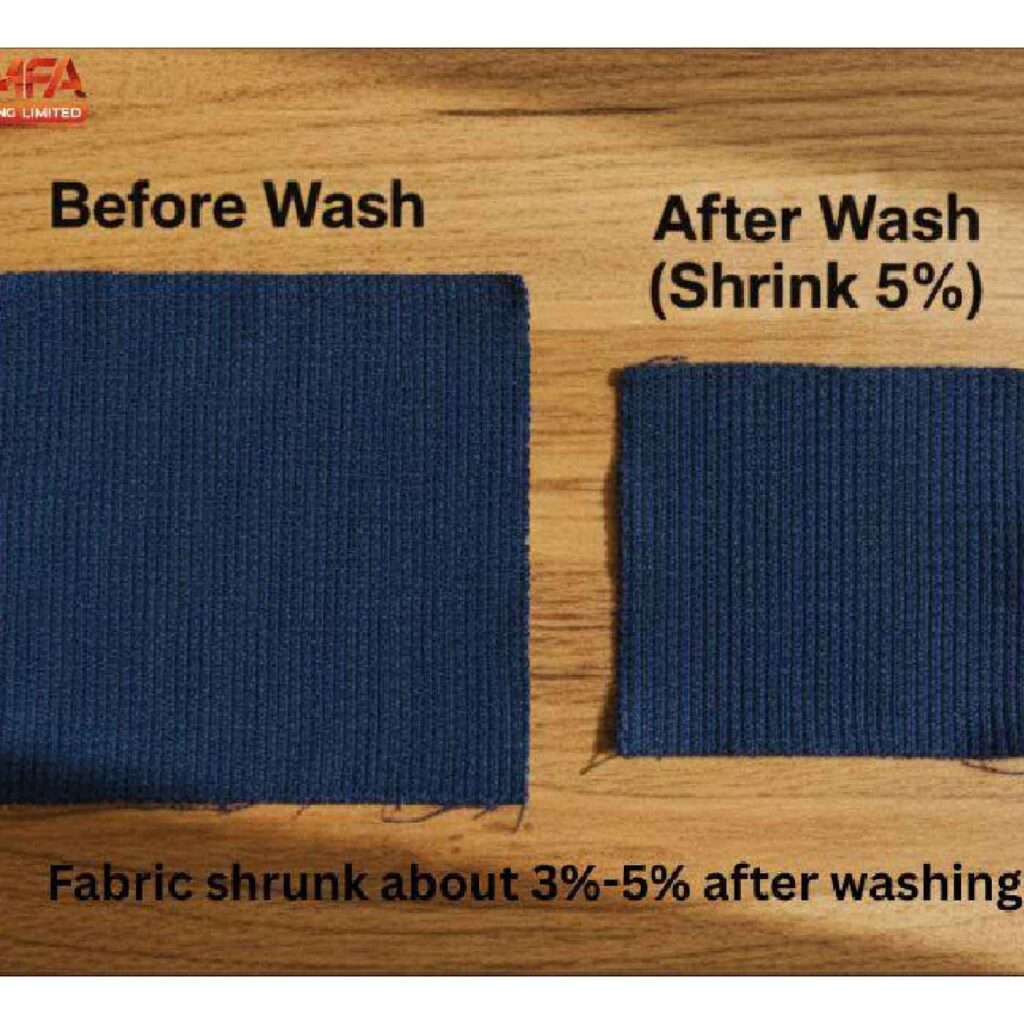
Most people believe garments shrink only because of hot water.
In reality, shrinkage begins much earlier during textile production.
When yarns are knitted or woven, tension naturally builds inside the fabric structure. Once the fabric meets water, heat, or steam, those fibers begin relaxing back toward their original state.
That relaxation changes the dimensions of the garment.
Some fabrics shrink only slightly, while others can noticeably lose shape after washing.
Even a small shrinkage percentage can completely affect how a garment fits.
Which Fabrics Are More Likely to Shrink?
Natural fibers are usually more sensitive to shrinkage because they absorb moisture easily.
Cotton fabrics, especially knitted cotton jerseys, are among the most common examples.
Fabrics With Higher Shrinkage Risk
- 100% cotton jersey
- French terry
- Fleece fabrics
- Loose knitted fabrics
- Viscose materials
Fabrics With Lower Shrinkage Risk
- Polyester blends
- Nylon fabrics
- Elastane blended fabrics
- Compact knitted materials
However, fabric finishing quality often matters more than the fiber itself.
A properly finished cotton fabric can perform better than a poorly processed synthetic blend.
Why Shrinkage Is a Serious Problem for Clothing Brands
Shrinkage creates problems far beyond fabric appearance.
When garments shrink unexpectedly, brands often face:
- inconsistent sizing,
- failed fittings,
- customer complaints,
- negative reviews,
- and costly product returns.
Oversized fashion products are especially sensitive.
A hoodie losing only a few centimeters in length can completely change the intended silhouette.
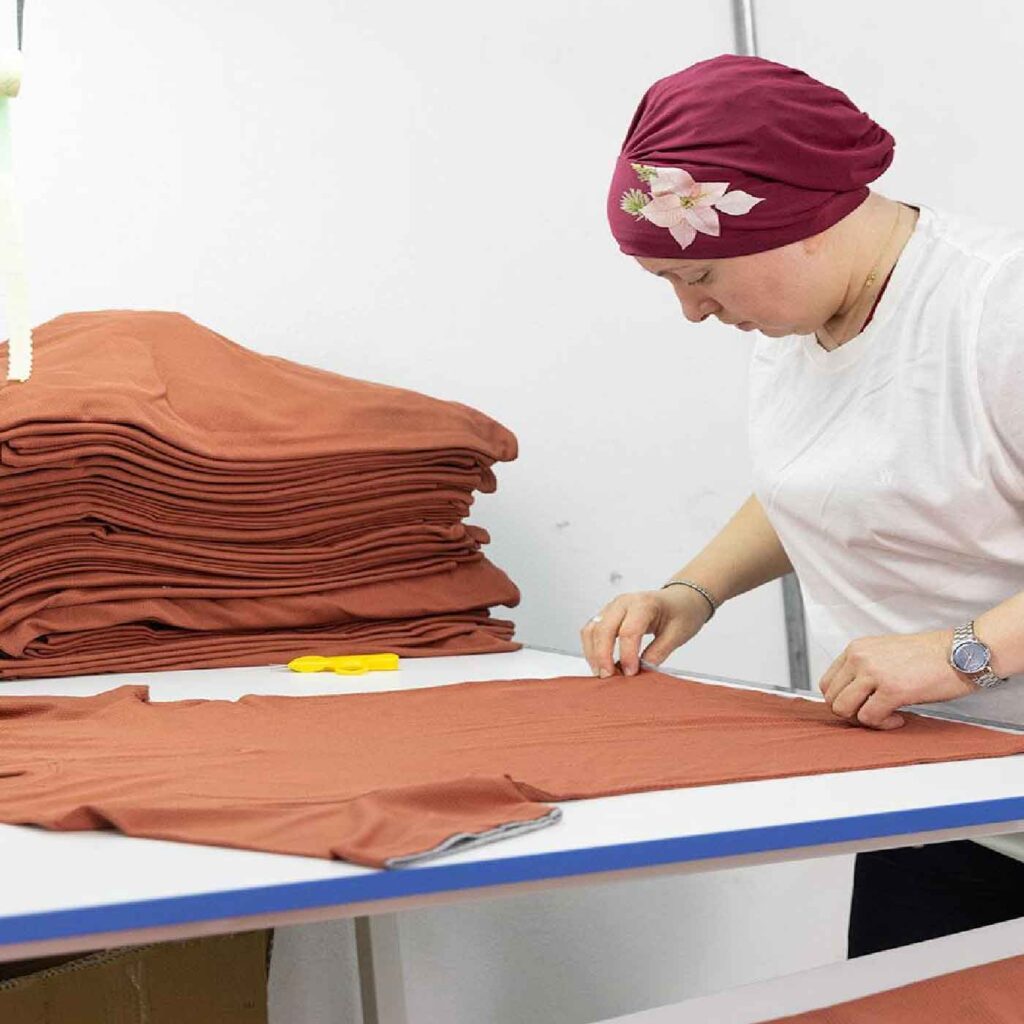
Because of this, experienced manufacturers test shrinkage before bulk production starts.
Professional factories understand that garment quality begins with fabric stability.
How Manufacturers Prevent Fabric Shrinkage
Professional textile manufacturers use several techniques to reduce shrinkage before garments reach customers.
Fabrics With Higher Shrinkage Risk
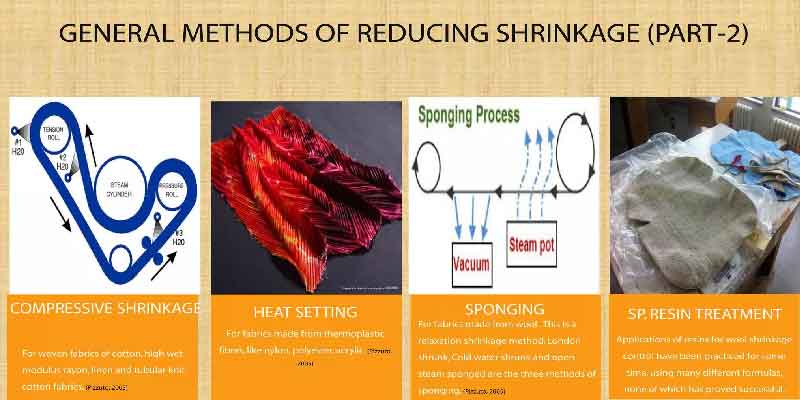
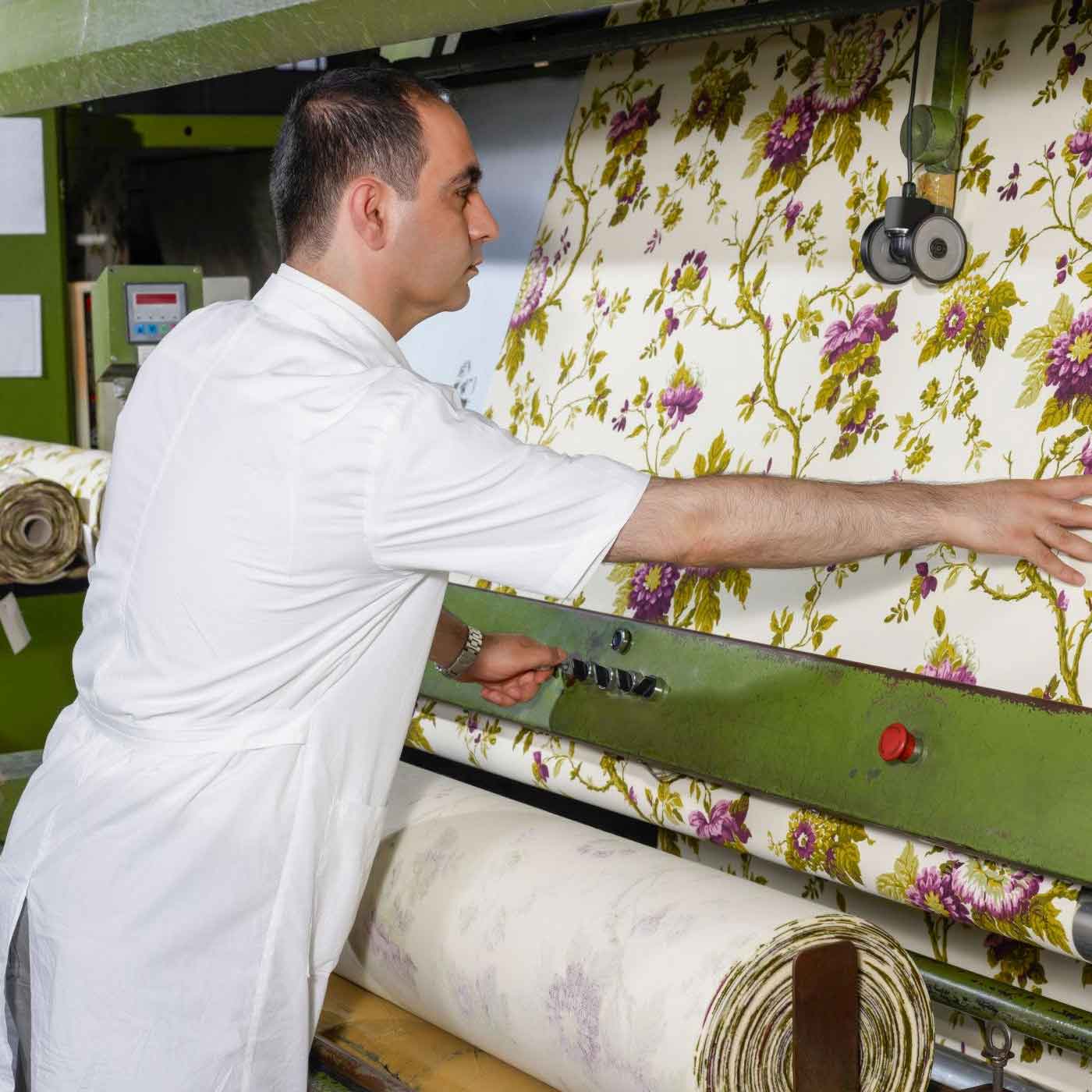
Compacting is one of the most important finishing processes in knitted fabric production.
The fabric passes through specialized machines that relax yarn tension and stabilize dimensions.
This process significantly reduces shrinkage after washing.
Pre-Washing the Fabric
Some factories wash fabrics before cutting begins.
This allows the material to shrink before garments are produced.
Many premium clothing brands prefer pre-washed fabrics because they create more stable sizing results.
Shrinkage Testing
Before bulk production, manufacturers test fabric samples under washing conditions.
The fabric is measured:
- before washing,
- after washing,
- and after drying.
These tests help manufacturers calculate expected shrinkage percentages and adjust patterns accordingly.
Correct Washing Instructions
Sometimes shrinkage problems come from garment care rather than production quality.
High washing temperatures and aggressive drying can damage even stable fabrics.
This is why professional wash instructions are extremely important for clothing brands.
Cold washing and low heat drying help garments maintain their original dimensions longer.
Why Pattern Makers Must Calculate Shrinkage
Experienced pattern makers never work with raw measurements alone.
Before production begins, they calculate possible fabric movement and add tolerance where necessary.
Without shrinkage calculations:
- sleeves may become too short,
- body lengths may change,
- and fit consistency can disappear between production batches.
In modern garment manufacturing, fabric behavior is just as important as design itself.
Final Thoughts
Fabric shrinkage is one of the most underestimated issues in textile manufacturing.
Customers usually blame the brand when garments lose shape after washing.
But in most cases, the problem begins much earlier — during fabric selection, finishing, and production planning.
Understanding shrinkage helps clothing brands:
- improve product quality,
- reduce return rates,
- create more reliable sizing,
- and build stronger products for long-term customers.
At Texploria, we share practical textile knowledge and real garment production insights for modern clothing brands and manufacturers.


