
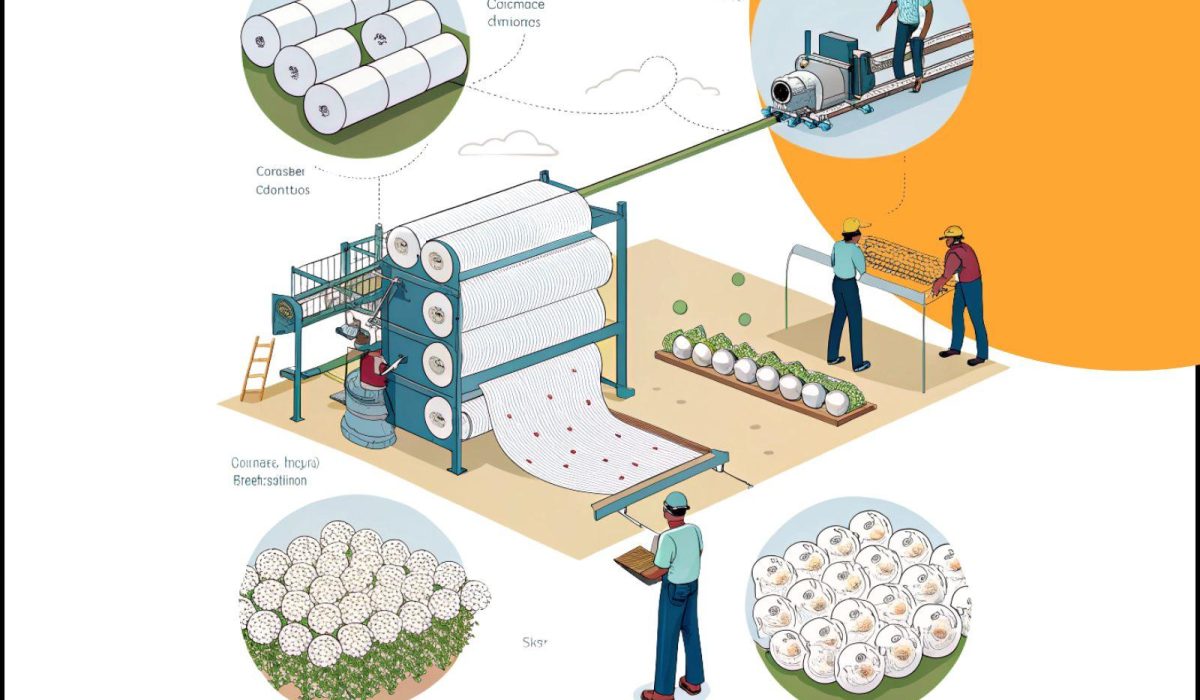
How a T-Shirt Is Made: From Cotton to Clothing Brand
Every clothing brand starts with an idea.
But before a t-shirt reaches a customer, it goes through a long journey involving fabric production, pattern making, sewing, printing, quality control, and packaging.
In this story, we’ll explore how a simple t-shirt is made — from raw cotton to a finished product ready for fashion brands around the world.
The Journey Starts With Cotton
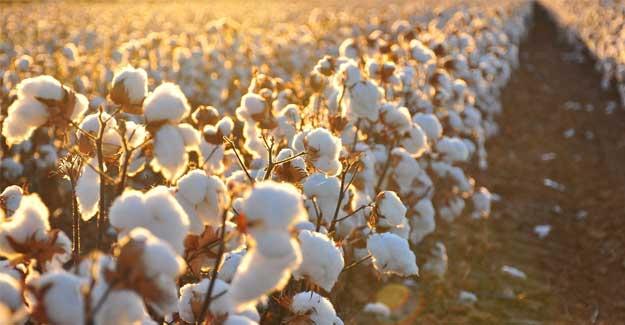
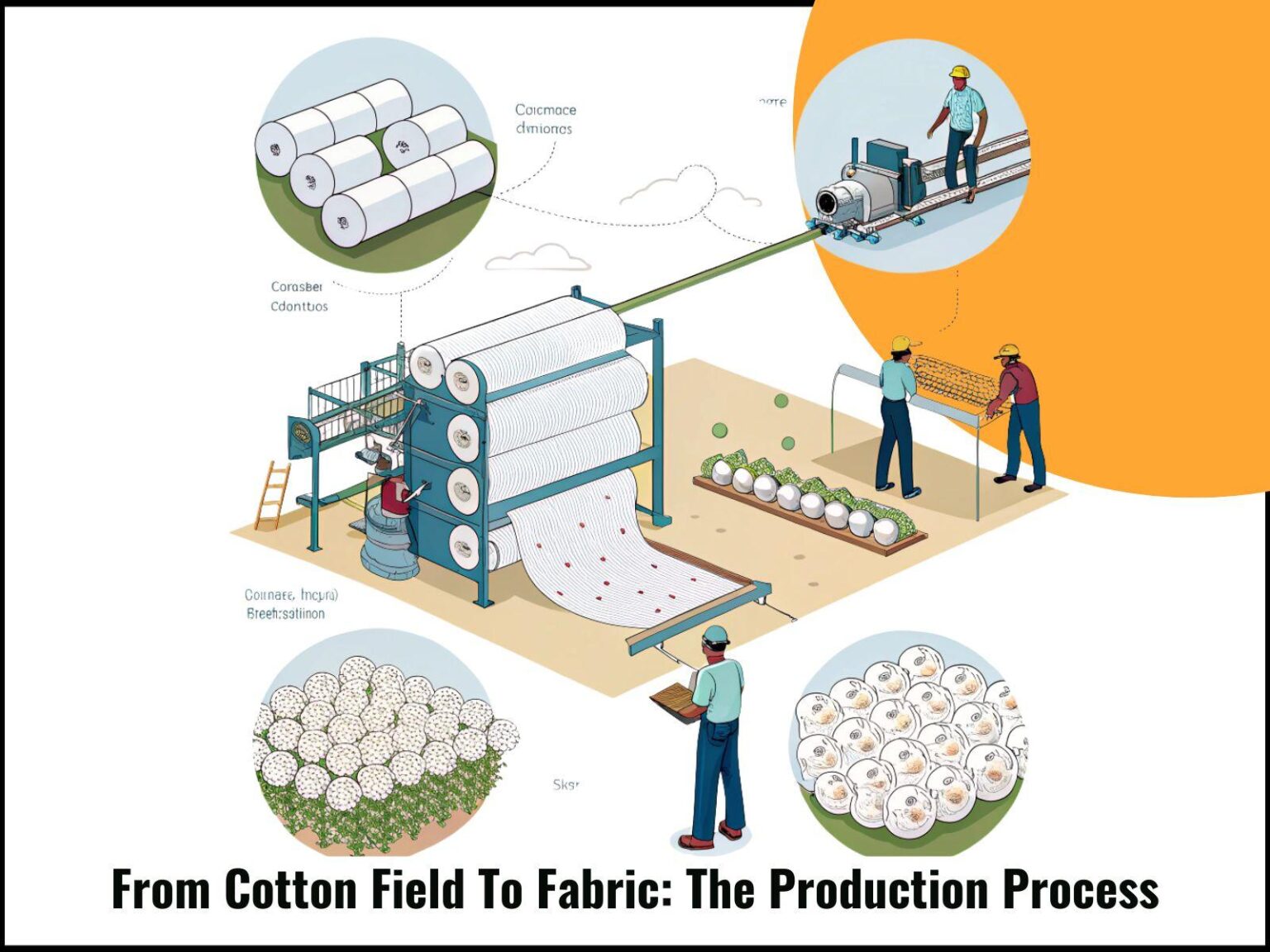
Most t-shirts begin with cotton. Cotton is one of the most widely used natural fibers in the textile industry because it is soft, breathable, and comfortable.
After harvesting, cotton fibers are cleaned and prepared for spinning. At this stage, the raw fiber is transformed into yarn.
This yarn will later become the fabric used by clothing manufacturers.
Turning Yarn Into Fabric
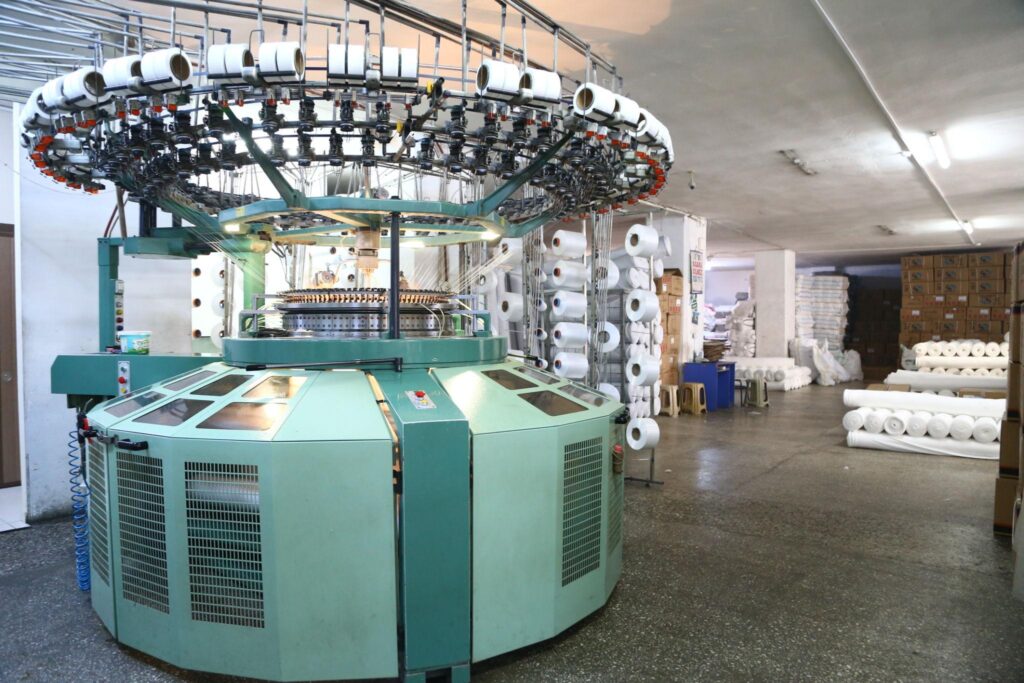
The yarn enters knitting or weaving machines depending on the fabric type.
For t-shirts, manufacturers usually prefer knitted fabrics like single jersey because they are flexible and comfortable.
After knitting, the fabric goes through dyeing and finishing processes. These treatments improve the fabric’s color, texture, durability, and feel.
At this point, the fabric is ready for garment production.

Pattern Making and Cutting
Before sewing starts, clothing manufacturers create patterns.
Patterns are the blueprint of the garment. They determine:
- Fit
- Measurements
- Sleeve shape
- Collar details
- Overall silhouette
Once the patterns are ready, layers of fabric are cut precisely using industrial cutting machines.
Accurate cutting is extremely important because even small mistakes can affect the final fit of the garment.
Sewing the Garment
Now the t-shirt finally begins to take shape.
Different sewing operations are completed step by step:
- Shoulder stitching
- Sleeve attachment
- Side seams
- Neck rib application
- Hem stitching
Professional garment factories use industrial sewing machines to ensure consistency and durability.
Quality stitching is one of the biggest differences between premium clothing brands and low-quality products.
Printing and Embroidery
This is where branding enters the process.
Fashion brands use different decoration techniques such as:
- Screen printing
- DTG printing
- Puff print
- Embroidery
- Silicone print
- Heat transfer
The right technique depends on the design, fabric type, quantity, and desired quality.
Embroidery is often preferred for premium streetwear and luxury garments because it adds texture and durability.
Quality Control and Packaging
Before shipping, every garment goes through quality control.
Factories check:
- Measurements
- Stitch quality
- Fabric defects
- Print positioning
- Color consistency
After approval, garments are ironed, folded, packed, and prepared for shipment.
Only then does the product finally reach the customer.
Final Thoughts
Behind every successful clothing brand is a detailed textile production process.
From cotton fields to finished garments, every step affects the quality, comfort, and identity of the final product.
Understanding how clothing is made helps brands create better products and build stronger connections with manufacturers.
At Texploria, we share textile knowledge, garment production insights, and practical guides for anyone building a fashion brand.


