
Embroidery in Textile Production: What It Is, Types, and Why It Matters for Clothing Brands
Embroidery is one of the most premium and durable decoration techniques in textile production. Unlike printing methods, embroidery uses threads to stitch designs directly onto fabric, creating a high-quality and long-lasting finish.
If you are building a clothing brand, understanding embroidery in textile production can help you choose the right method for branding, improve product quality, and increase perceived value.
What is Embroidery in Textile Production?
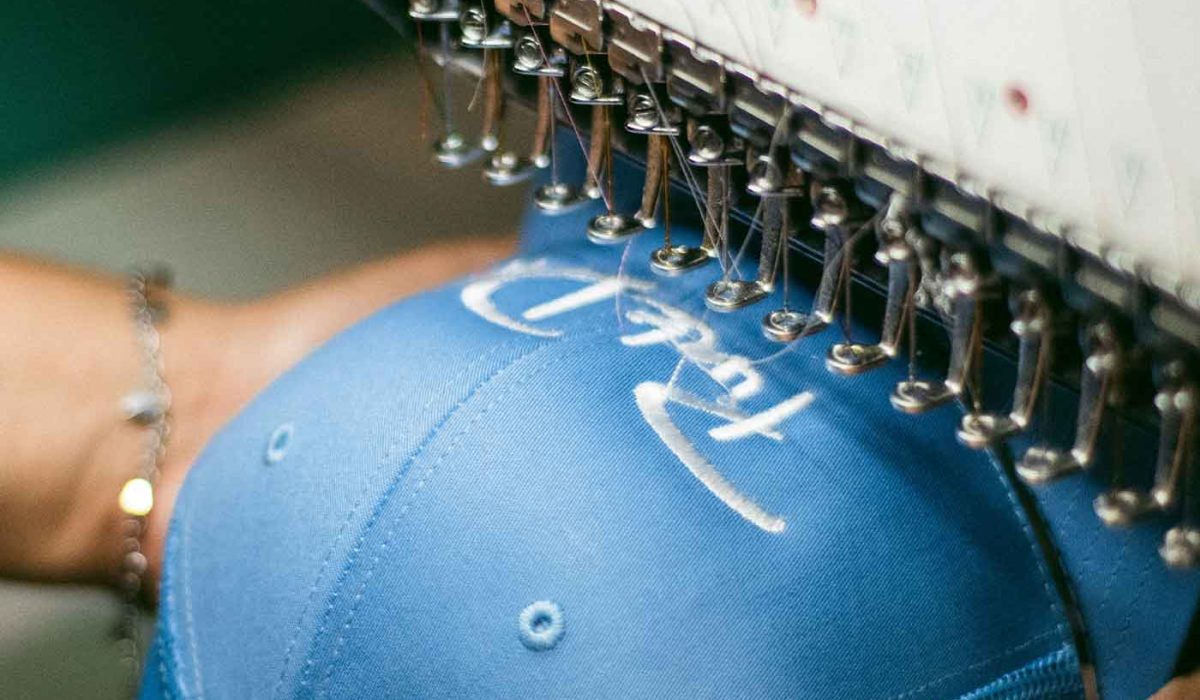
Embroidery is the process of decorating fabric using needle and thread to create logos, text, or patterns. It is widely used in custom apparel production, especially for branding elements such as logos on t-shirts, hoodies, caps, and uniforms.
Today, most embroidery is done using computerized machines, ensuring precision and consistency in bulk production.
How Does Embroidery Work? (Step-by-Step Process)
Types of Embroidery in Apparel Production
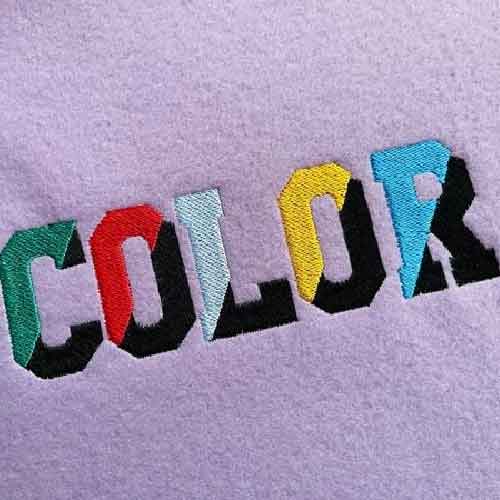
Flat Embroidery
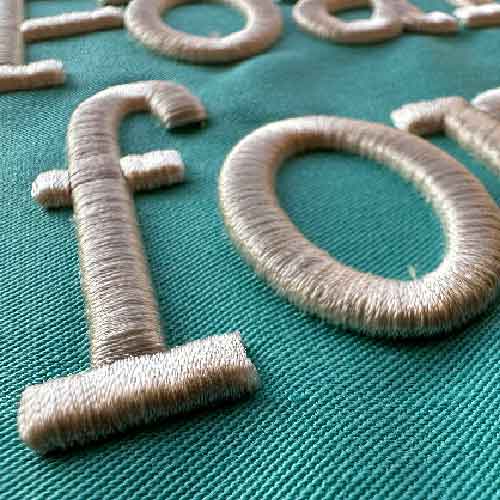
3D Puff Embroidery
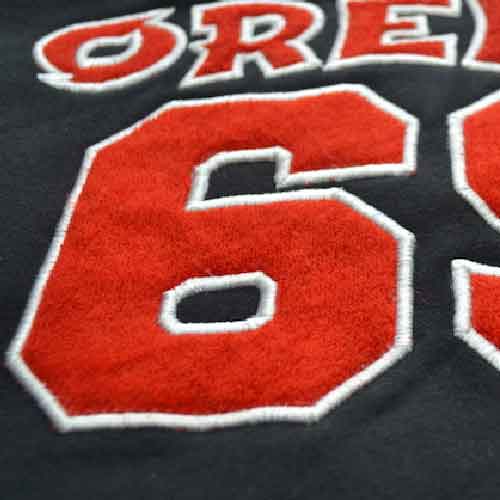
Applique Embroidery
Advantages and Disadvantages of Embroidery for Clothing Brands
Embroidery vs Printing: Which One is Better?
Embroidery
Appearance
Durability
Cost per Unit
Printing
Appearance
Durability
Cost per Unit


